Serving Rosemont and Cook County
Pest control in Rosemont, IL near Cook County's clay-soil foundations
Call and reach an independent provider serving Rosemont. Free to call, no obligation, and the provider sets the price in writing before work starts.
Available 24/7
When you call, you reach an independent pest control provider serving Rosemont, not Chicago Bug Busters. This site is a referral service paid by providers for introductions, and the provider you speak with quotes the job and you decide.
- Independent licensed providers
- Free to call
- No obligation
- The provider sets the price
What you can call about
Rosemont's mix of older wood-frame homes and clay soil around the foundation covers most of the pest calls a provider handles here, from rodents pushing in before the freeze to termites working a damp crawl space.
- Rodent control and exclusion
Mice and rats working toward attics and wall voids as the weather turns
- Termite treatment
Subterranean termites active where clay soil holds moisture against the slab
- General pest control
Ants, spiders, and earwigs from shaded, damp foundation beds
- Mosquito control
Standing water in low, poorly drained yard corners
- Wildlife removal
Raccoons and squirrels finding attic gaps on older rooflines
Local conditions that shape the work
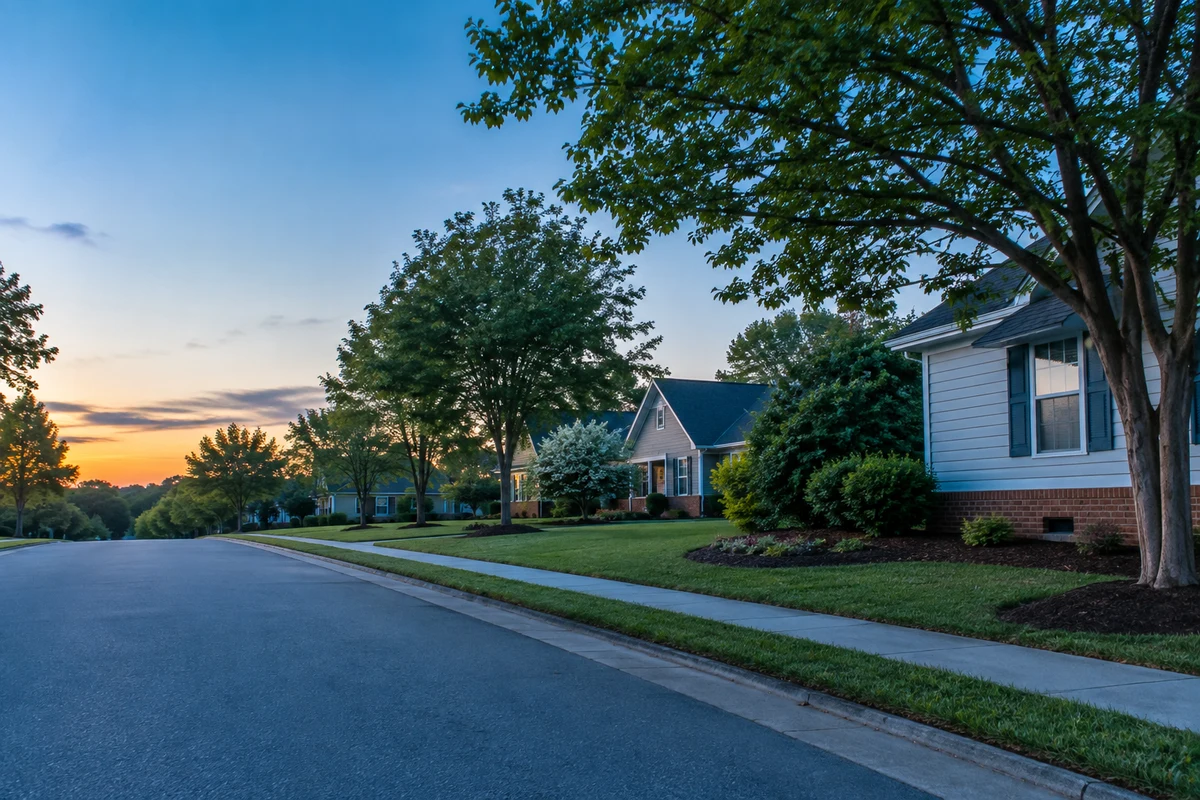
Rosemont doesn't look like a wooded suburb from the highway. But plenty of the older residential pockets, built from the 1920s through the 1960s, sit under mature shade trees with foundation beds that never fully dry out. The clay and silty clay soil common across the Chicago lake plain doesn't drain well to begin with, and stack shade on top of flat topography and you get damp crawl spaces and mulch beds that stay wet for days after a storm.
Here's the thing: that moisture is exactly what draws carpenter ants, termites, and earwigs to a foundation. I've crawled under enough Rosemont-area houses to tell you the ones with heavy shade and old landscaping against the brick are almost always the ones with the worst ant trails and the softest sill plates. Add the constant food and passing traffic near the convention and hotel corridor, and rodent pressure stays high pretty much year round, not just in fall.
Timing through the year
Cold winters and humid summers mean two rushes. Fall through early winter, mice and rats push indoors. Late spring into summer, termite swarmers and carpenter ants work shaded, moist foundations. Book an exclusion check before the first hard freeze if you can.
Typical prices, not quotes
Prices swing a lot based on how far a problem has spread and whether it's a one-time visit or an exclusion job, honestly. These are typical ranges, not quotes. The provider gives you the actual number in writing.
| Job | Low | High | What moves it | Scope |
|---|---|---|---|---|
| General pest control visit | $150 | $400 | home size and which pests are covered | one-time or quarterly plan, interior and exterior |
| Rodent control and exclusion | $350 | $1,000 | trapping only versus full entry-point sealing | attic, crawl space, and perimeter |
| Termite treatment | $800 | $2,500 | liquid barrier versus bait system and foundation length | crawl space or slab, per linear foot of foundation |
| Emergency pest call | $150 | $500 | after-hours timing and how far the pest has spread | single urgent visit, follow-up as needed |
Actual cost depends on what the provider finds on site. Get it in writing before anyone starts work.
Pricing reviewed Pricing reviewed September 2026
From your call to a written quote
- Call and describe the problem
Tell the provider what you're seeing, whether it's droppings, a nest, or bites, and where in the house or yard.
- Get a written quote
The provider inspects or asks questions by phone, then gives you a price before any work begins.
- Schedule the treatment
Timing depends on the pest. Rodent and stinging insect calls usually move faster than a routine ant treatment.
Neighboring areas
Good to know
Why does Rosemont get so many rodent calls before winter?
The clay soil and flat lot drainage push moisture and cover right up against foundations, and older homes from the 1920s through 1960s often have gaps around utility lines. Add the hotel and restaurant corridor near O'Hare, and mice and rats get both shelter and a steady food source close by as temperatures drop.
Do shaded, wooded lots in Rosemont really attract more termites?
Shade keeps soil and mulch beds damp longer after rain, and termites need that moisture to move between soil and wood. A foundation with heavy landscaping and poor sun exposure holds water longer than an open, sunny yard. That's part of why crawl spaces on shaded lots see more mud tubes.
What's the difference between general pest control and an emergency call in Rosemont?
General pest control is planned. Usually a one-time visit or a quarterly plan for ants, spiders, and other nuisance pests. An emergency call is for something happening right now, like a nest indoors, rodents in the kitchen, or stinging insects near a doorway, and it usually costs more because of the timing.
Is well water or septic a factor for pest control in Rosemont?
No. Rosemont is fully served by municipal water and sewer, so there are no septic systems or private wells to worry about as a pest draw. Moisture problems here come from clay soil, flat grading, and shaded foundation beds instead.
Who you are dealing with
- Who answers
- An independent, licensed pest control provider serving Rosemont and Cook County answers the call, not Chicago Bug Busters.
- Who does the work
- The provider you talk to does the inspection and the treatment, and sets the schedule.
- Who pays us
- The provider sets the price and gives it to you in writing before any work starts.
Useful to know before you call
- Zip code
- Description of the pest or damage
- Best time for a visit