Serving Chicago and Cook County
Ant control in Chicago, IL for two-flats, bungalows, and courtyard buildings
Steady ant trail across the kitchen counter, or sawdust piling under a window sill? Call and get matched with an independent Chicago ant control provider.
Available 24/7
When you call, you reach an independent pest control provider serving Chicago, not Chicago Bug Busters directly. This site is a referral service paid by providers for introductions. The provider you speak with quotes the job and you decide.
- Independent licensed providers
- Free to call
- No obligation
- The provider sets the price
What people notice first
Here's how to tell a nuisance ant problem from something actually chewing on your house. Chicago's older wood-frame two-flats and bungalows give carpenter ants a lot to work with, especially anywhere moisture has gotten into the framing.
- A steady trail across the counter a colony outside following a food scent This week
- Large black ants near damp wood carpenter ants nesting in moist framing This week
- Sawdust piles under a window sill carpenter ants excavating wood Call today
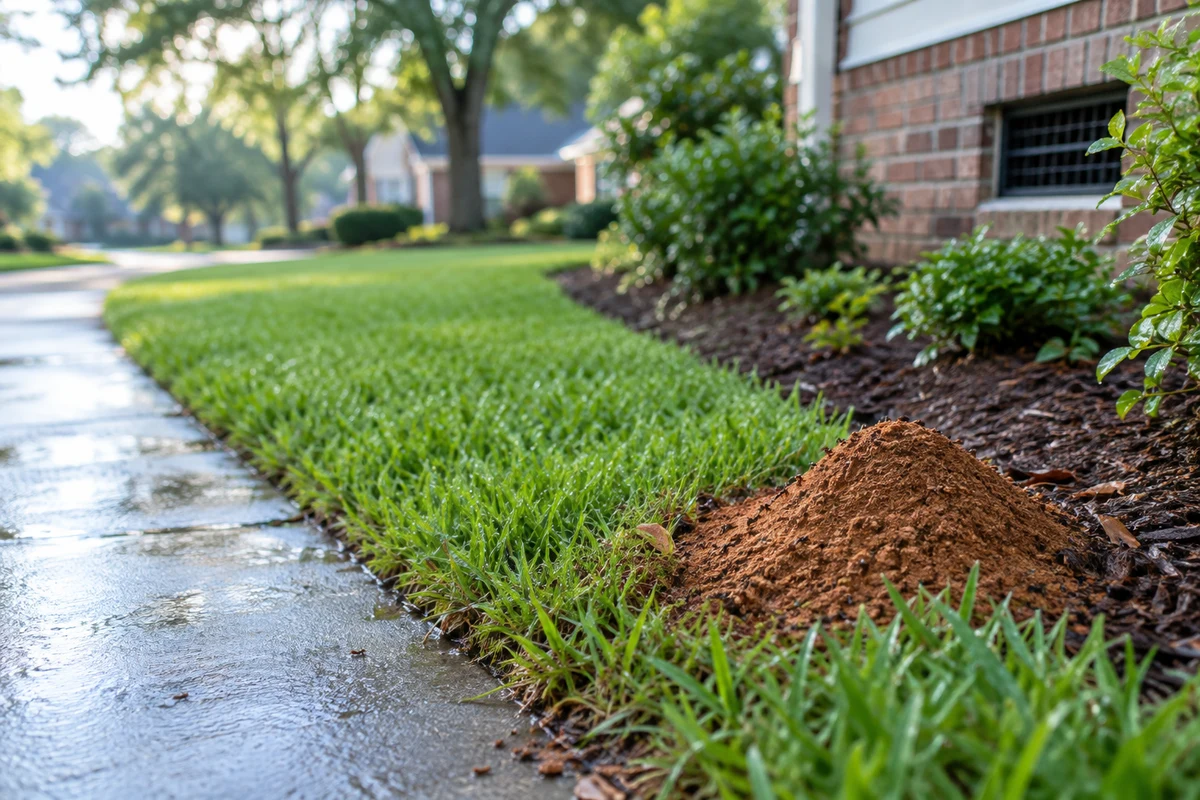
- Mounds in the lawn that swarm when disturbed an established colony in the yard, agitated when the mound is disturbed This week
Typical prices, not quotes
Ant jobs in Chicago land in a pretty wide range. A one-time kitchen trail job and a carpenter ant colony inside a wall stud are two totally different projects. Here's roughly what providers quote.
| Job | Low | High | What moves it | Scope |
|---|---|---|---|---|
| Nuisance ant treatment, single visit | $150 | $250 | kitchen and perimeter treatment for pavement or odorous house ants | interior spot treatment plus an exterior perimeter pass |
| Carpenter ant treatment | $225 | $400 | locating the nest inside wood framing and treating the colony, not just the trail | interior and exterior treatment, sometimes a follow-up visit to confirm the colony is gone |
| Multi-colony or recurring ant plan | $200 | $400 | repeat visits across a season for a building with more than one colony | initial treatment plus scheduled follow-ups |
These are typical ranges, not a quote. The provider who visits your place sets the actual price after seeing the colony, the building, and how far it's spread.
Pricing reviewed Pricing reviewed September 2026
Local conditions that shape the work
Ants in Chicago aren't one thing. In a Bridgeport greystone you might be dealing with pavement ants coming up through a crack in the basement slab. Two blocks over in Bronzeville, a hundred-year-old workers cottage with soft framing near a leaky gutter is a much better setup for carpenter ants. They don't eat wood for food the way termites do, but they hollow it out to nest, and that's a bigger problem if it's a load-bearing stud.
A lot of Chicago's older housing stock went up between the 1870s rebuilding after the fire and the bungalow boom of the 1910s through 1930s. That's decades of wood-frame construction exposed to freeze-thaw cycles, and in plenty of basements, a water table high enough to keep the wood near the foundation just damp enough for carpenter ants to move in. Garibaldi Square and Canalport have some of that older frame stock mixed in with newer infill. I've pulled ants out of window sills in both.
The fix is almost never just spraying the counter where you see the ants walking. That treats symptoms, not the cause. A provider who finds the actual colony, whether it's under a slab, in a wall void, or out in a mulch bed against the foundation, is doing the job that actually holds.
Timing through the year
Chicago's ant season really opens up May through August, with carpenter ants swarming in late spring when the winged reproductives leave the nest to start new colonies. See a sudden burst of winged ants indoors in May or June? That's not a new problem. That's an established colony finally showing itself. Cold winters usually push activity way down, but a heated multi-unit building can keep a colony ticking along indoors even in January.
From your call to a written quote
- Call and describe what you're seeing
Tell the provider where the ants are, roughly how many, and whether you've seen sawdust or winged ants. That helps them figure out if it's carpenter ants or something more routine.
- Get a written quote
The provider inspects, finds where the colony likely is, and gives you a price in writing before starting anything.
- Treatment and follow-up
Most nuisance ant jobs are one visit. Carpenter ant jobs sometimes need a second visit to confirm the colony's actually gone.
Good to know
Are carpenter ants a serious problem in Chicago homes?
They can be. Carpenter ants don't eat wood like termites, but they hollow it out to nest, and Chicago's older wood-frame bungalows and workers cottages give them plenty of damp framing to work with, especially near leaky gutters or old window sills. Sawdust under a sill is worth a call today, not next week.
What's the difference between pavement ants and carpenter ants?
Pavement ants are small, dark, and usually nest under slabs, sidewalks, or foundations, showing up as a trail to a food source. Carpenter ants are bigger, often black, and nest inside wood. A provider can tell the difference fast just from size and where the trail leads.
Can I just spray the ant trail myself first?
You can, and it might knock back what you see on the counter for a few days. But it usually doesn't touch the actual colony, so the ants come back within a week or two. If it's a recurring trail, get a provider to find the nest instead.
Do ant problems in Chicago change with the seasons?
Yes. Ant activity picks up May through August, with carpenter ants often swarming in late spring as new colonies form. Cold weather slows things down outdoors, but a heated building can keep an indoor colony active through the winter. So a fall or winter trail isn't unusual either.
Who you are dealing with
- Who answers
- An independent, licensed pest control provider serving the Chicago area answers when you call.
- Who does the work
- That same provider's crew inspects your property, finds the colony, and does the treatment. Not Chicago Bug Busters.
- Who pays us
- You pay the provider directly, based on the written quote they give you before work starts.
Useful to know before you call
- Your address and zip code
- Where you've seen ants or sawdust
- Whether it's a house, two-flat, or multi-unit building