Serving Homer Glen and Cook County
Pest control in Homer Glen, IL near 21 miles of former farmland
Call to reach an independent licensed provider serving Homer Glen. Free to call, no obligation, and the provider sets the price in writing before work starts.
Available 24/7
When you call, you reach an independent pest control provider serving Homer Glen, not Chicago Bug Busters directly. This site is a referral service paid by providers for introductions, and the provider you speak with quotes and handles the job.
- Independent licensed providers
- Free to call
- No obligation
- The provider sets the price
Local conditions that shape the work
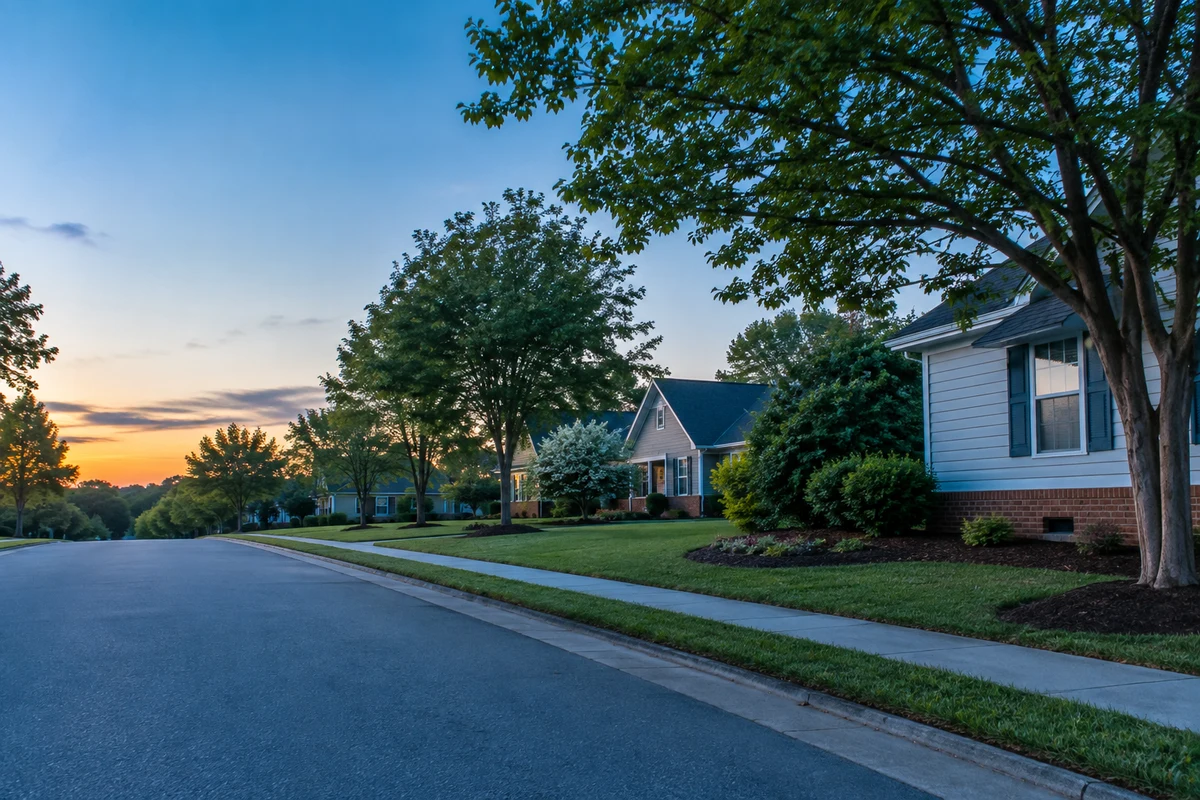
So Homer Glen isn't quite a city, and it's not quite the country either. It's a village that only incorporated in 2001, right as farmland here was getting cut up into subdivisions with an acre or two per lot. That's what makes pest calls in this village different from a typical Chicago suburb call. A lot of these homes sit right up against what used to be, or still is, open field.
Here's the thing about building on old farmland: the soil doesn't forget. Homer Glen sits on glacial till, mostly silt loam and clay loam, and clay holds water. Foundations stay damp longer after a storm. Crawlspaces get humid. And subterranean termites get exactly the conditions they want near the slab. Add in the older farmhouses scattered among the 1990s and 2000s construction, plus properties still running on private well and septic, and you've got old rural pest pressure and new subdivision pest pressure sharing the same zip code, 60491.
Honestly, the edge-of-farmland setup also means more field mice and more bugs looking for a warm wall come October. Not a coincidence.
What you can call about
One call covers the full range, from a single ant trail to a raccoon in the attic. Here's what providers in Homer Glen typically handle.
- Rodent control and exclusion
Field mice moving in from the tree lines as it cools off
- Termite treatment
Subterranean termites working the clay-damp soil near foundations
- General pest control
Ants, spiders, and boxelder bugs along the perimeter
- Wildlife removal
Raccoons and squirrels finding a way into older farmhouse attics
- Mosquito control
Detention ponds and low, clay-heavy yards holding standing water
Timing through the year
The calendar here runs pretty predictable. Ants and mosquitoes show up April through May. Ticks and mosquitoes hit hard June through August. Come September and October it's stink bugs, boxelder bugs, and mice all trying to get inside before the freeze. Once winter sets in, it's rodents and roaches indoors, full stop.
Typical prices, not quotes
Real talk, prices swing a lot based on the job. These are typical ranges providers quote in the area, not a promise for your house.
| Job | Low | High | What moves it | Scope |
|---|---|---|---|---|
| General pest control | $150 | $400 | one-time visit versus a quarterly plan | interior and exterior perimeter treatment |
| Rodent control and exclusion | $350 | $1,000 | trapping alone versus full entry-point sealing | attic, crawlspace, and wall void access |
| Termite treatment | $800 | $2,500 | liquid barrier versus bait system, foundation length | full perimeter, crawlspace included |
| Wildlife removal | $250 | $1,500 | the animal, the season, repair to soffit or vent | trapping plus entry repair |
| Mosquito control | $350 | $800 | season-long plan versus single event | yard barrier treatment |
Every quote is written and comes straight from the provider after they see the property. Clay soil and older crawlspaces can push termite and rodent jobs toward the high end.
Pricing reviewed Pricing reviewed September 2026
From your call to a written quote
- Call and describe it
Tell the provider what you're seeing, mice, ants, a nest under the eave, whatever it is.
- Get a written quote
The provider looks at the job, or asks a few questions, then gives you a price before anything starts.
- Schedule the visit
You pick the timing that works, same-week for most jobs, sooner for anything urgent.
- Work gets done
The provider treats, traps, or seals the property and tells you what follow-up, if any, is needed.
Good to know
Why does Homer Glen get more termite calls than some Chicago suburbs?
It comes down to the clay-heavy glacial till soil under Homer Glen. It holds moisture near the foundation longer after rain, and subterranean termites need that damp soil contact to travel. Older crawlspaces on former farmland properties tend to run more humid too, which doesn't help matters.
Are mice a bigger problem here because of the farmland?
Field mice moving in from open land and tree lines is a real pattern in Homer Glen, especially September through November as it cools off. Homes built right up against former farm acreage tend to see more entry attempts than homes deep inside a dense subdivision.
Do private well and septic properties in Homer Glen need different pest treatment?
Providers usually adjust product choice and placement around wellheads and septic fields, since a chunk of Homer Glen still runs on private systems instead of municipal sewer. Mention it when you call so they can plan around it.
What's the busiest pest season in Homer Glen?
Spring through fall, April to October, is the peak stretch. Ants and mosquitoes in spring. Ticks and mosquitoes in summer. Stink bugs, boxelder bugs, and rodents push indoors come September and October, right before the freeze.
Does this service cover Lockport and Lemont too?
Yes, providers who answer calls for Homer Glen also cover nearby communities including Lockport, about 4.1 miles west, and Lemont, about 4.6 miles north, along with Orland Park and Orland Hills to the east.
Who you are dealing with
- Who answers
- An independent licensed pest control provider serving Homer Glen and the surrounding Will County area
- Who does the work
- The same provider you speak with on the call, not a Chicago Bug Busters technician
- Who pays us
- You pay the provider directly, based on the written quote they give you before work starts
Useful to know before you call
- Zip code 60491
- A description of the pest and where you're seeing it
- Whether the property uses a private well or septic system